15
DecChakrata and the Jaunsari Tribe: History, Beliefs, and Culture Through a Traveller’s Lens
Introduction: Why Chakrata Is More Than a Hill Destination !
Most travellers come to Uttarakhand chasing altitude or pilgrimage routes like the
Chardham Yatra. But far from the crowded corridors of
Mussoorie and Dehradun lies
Chakrata, a quiet Himalayan town that reveals something deeper - a living cultural
history shaped by the Jaunsari people.
From a traveller’s perspective, Chakrata does not announce itself loudly. Its value lies
in what unfolds slowly: indigenous traditions, belief systems rooted in nature, and a
society that has evolved without losing its cultural spine.
Chakrata History: Before Colonial Maps
Ancient Jaunsar-Bawar Region
Before the British established Chakrata as a cantonment town in the 19th century, the
region was known as Jaunsar-Bawar culturally autonomous Himalayan zone shaped by
geography and isolation.
Ancient trade routes once passed through this region, connecting the Yamuna valley with
upper Himalayan territories and Tibet. These routes enabled not just trade in salt,
wool, and grains, but also the exchange of religious ideas and folklore, many of which
survive today in Jaunsari oral traditions.
As a traveller, one notices how history here is not preserved in museums—it is embedded
in landscapes, rituals, and village life.
Who Are the Jaunsari People?
Indigenous Tribe of Chakrata and Western Uttarakhand
The Jaunsari tribe is one of the most culturally distinct indigenous communities of
Uttarakhand. Unlike Garhwali or Kumaoni societies,
Jaunsaris developed unique social structures influenced by mountain ecology and limited
resources
Traditional Jaunsari life revolved around:
• Terrace farming
• Forest-based livelihoods
• Community labor systems
Villages functioned as cultural units, where land, labor, and rituals were shared.
For travellers, this collective lifestyle is still visible—festivals are communal,
rituals involve entire villages, and decisions often prioritize social harmony over
individual gain.
Jaunsari Belief System: Faith as Governance
Mahasu Devta – The Supreme Deity
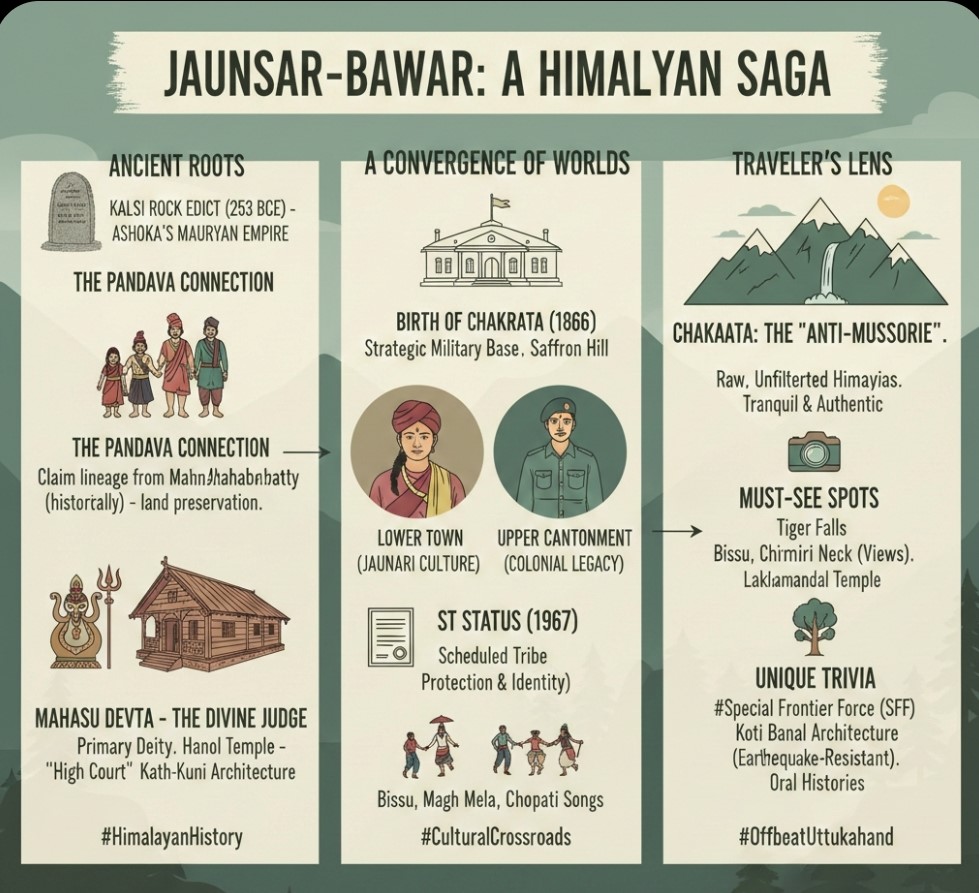
At the core of Jaunsari religious belief stands Mahasu Devta, regarded as the region’s supreme deity and moral authority. While often associated with Lord Shiva, Mahasu Devta functions uniquely as a guardian of justice . Historically, disputes over land, marriage, or community conflict were resolved through devta-based verdicts , interpreted by oracles. Even today, Mahasu temples across Chakrata and Jaunsar-Bawar hold immense authority. From a traveller’s lens, this belief system represents a form of indigenous governance, where spirituality and social order are inseparable.
Pandava Ancestry and Epic Memory
Another striking element of Jaunsari belief is their strong identification with
the Pandavas from the Mahabharata. Many Jaunsaris consider themselves direct
descendants,
and this epic lineage shapes moral values such as:
• Honor
• Brotherhood
• Collective responsibility
Festivals, folk songs, and ritual dances often reference Mahabharata narratives, making
mythology an active social force rather than symbolic heritage.
Social Structure and Cultural Evolution
Polyandry and Environmental Adaptation
One of the most researched aspects of Jaunsari society is their historical practice of
polyandry,
where brothers shared a common wife. From an anthropological and ecological standpoint,
this system helped:
• Prevent land fragmentation
• Maintain economic stability
• Control population pressure
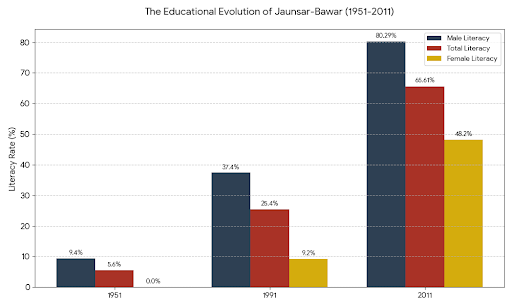
With modernization, education, and legal frameworks, polyandry has largely disappeared.
However, its legacy highlights how Jaunsari culture evolved rationally within
environmental constraints rather than rigid tradition.
British Era and the Making of Chakrata
Cantonment Town with Lasting Impact
The British established Chakrata as a military cantonment due to its strategic location
and cool climate. Unlike Mussoorie—which became a colonial leisure hub, Chakrata
remained restricted, limiting civilian expansion.
Ironically, this military presence helped preserve:
• Dense forest cover
• Low population density
• Minimal commercial exploitation
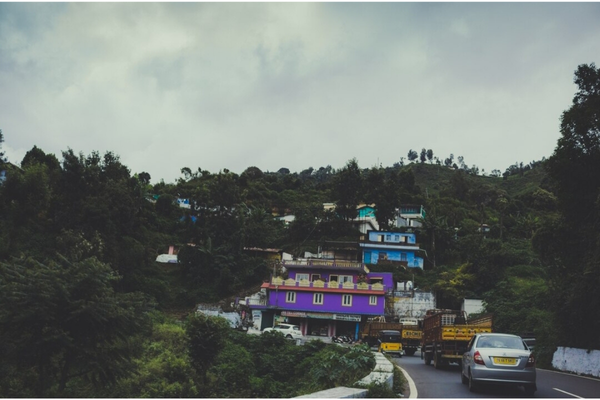
Even today, travellers feel this difference immediately—Chakrata is quieter, greener,
and far less commercialized than Mussoorie.
Chakrata Today: Tourism and Sustainability
Modern Chakrata is slowly entering tourism circuits, attracting travellers seeking snow,
silence,
and authenticity. However, the region faces challenges:
• Ecological sensitivity
• Cultural dilution risks
Encouragingly,community-based tourism —homestays, local guides, cultural walks—is
gaining momentum.
This allows travellers to experience Jaunsari life respectfully while supporting local
livelihoods.
Why Chakrata Matters to the Modern Traveller!
Unlike mainstream Uttarakhand destinations, Chakrata offers context over consumption. It
invites travellers to slow down, listen,
and understand a culture that has negotiated history without surrendering identity.
For those interested in history, indigenous belief systems, and meaningful travel,
Chakrata stands as one of Uttarakhand’s most insightful destinations.
Conclusion: Chakrata as a Living Cultural Landscape
Chakrata is not frozen in time but it is consciously evolving. The Jaunsari people
continue to balance tradition and modernity, belief and change, isolation and
connectivity.
As a traveller, leaving Chakrata feels like leaving a conversation unfinished. And
perhaps that is its greatest strength—not offering answers, but encouraging reflection.
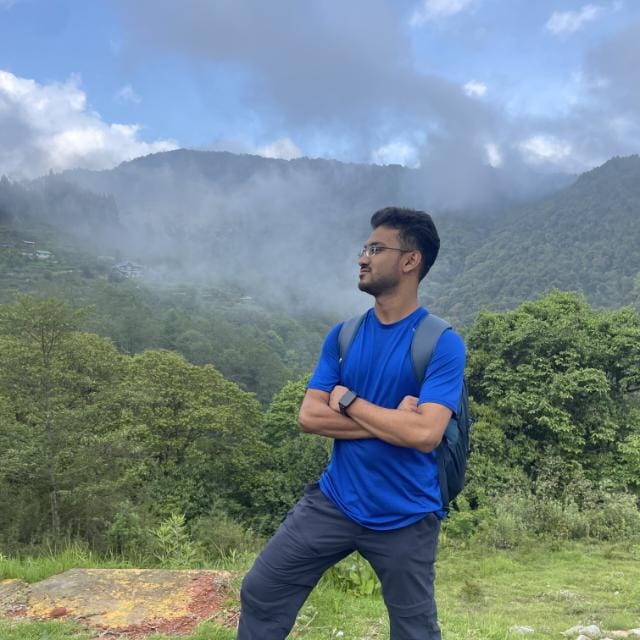
Farhad Alam
A Doctor loves to travel and found internal connection in mountains.
